
Török hadjárat, belháború: A három részre szakadt ország
Az 1526-os mohácsi csatatéren elszenvedett vereség önmagában még nem jelentette a középkori magyar állam azonnali bukását. A katasztrófa igazi elmélyülését a II. Lajos király halála, a csatát követő belső hatalmi harcok, a kettős királyválasztás és a globális nagyhatalmak szorítása hozta el, amely végül az ország részekre szakadásához vezetett.
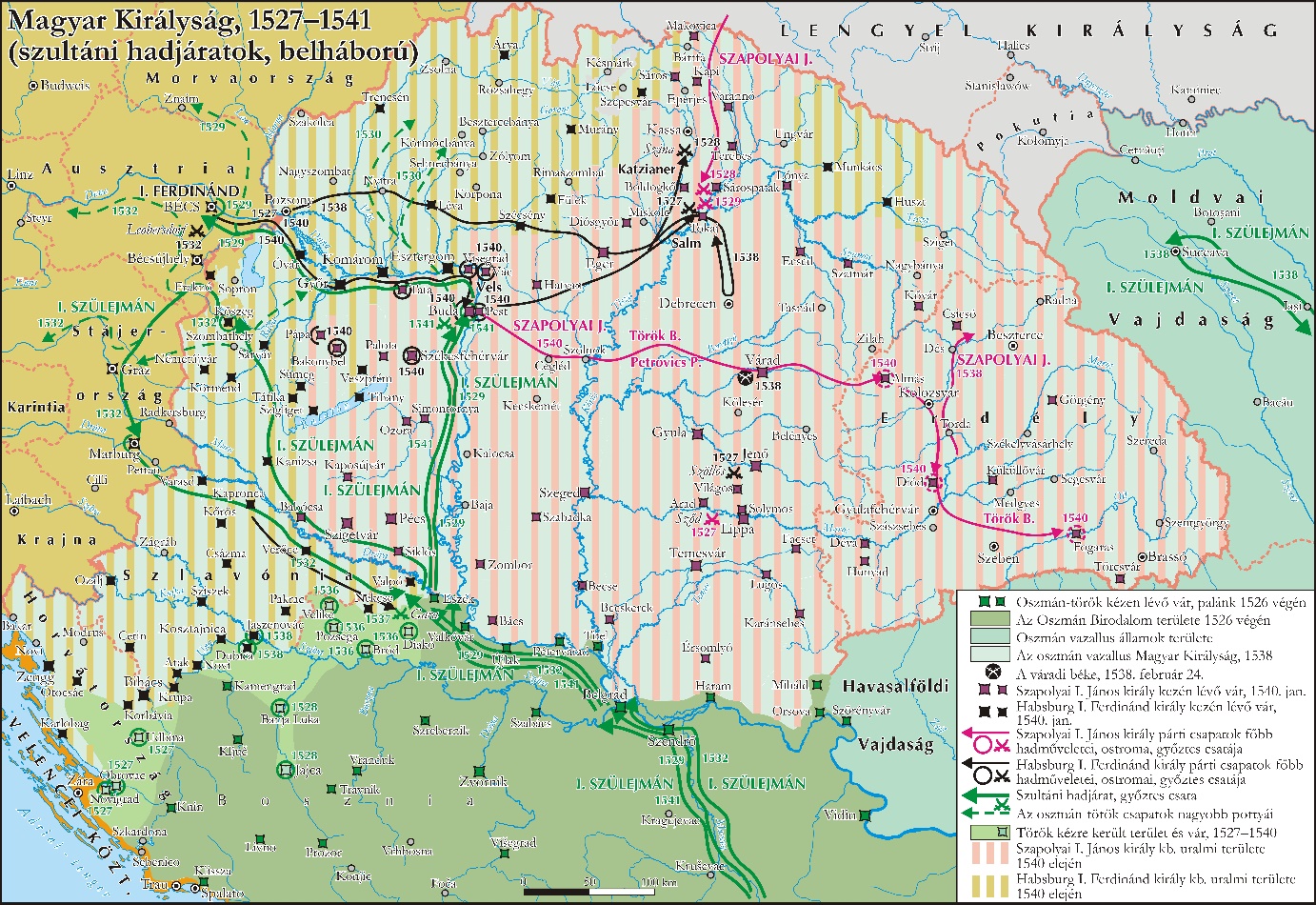
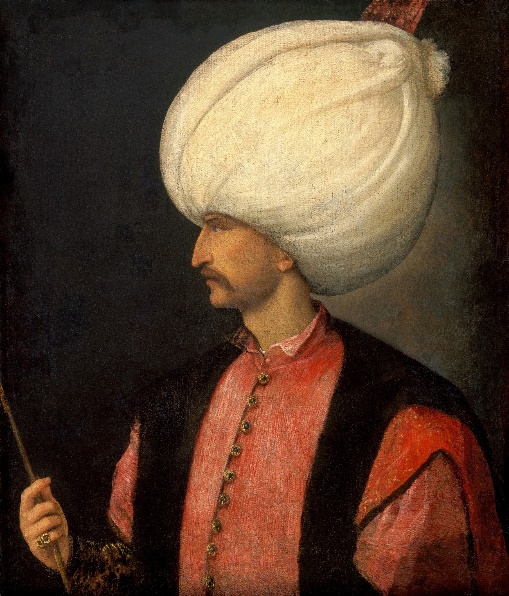
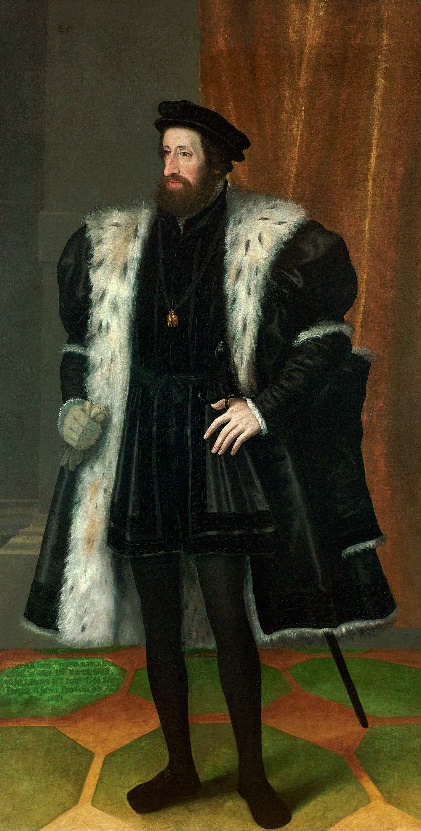
A király halálát követő időszak a kényszerpályák drámája volt. A (Habsburg) I. Ferdinánd és (Szapolyai) I. János rivalizálása polgárháborúba sodorta a megmaradt országot, amit az Oszmán Birodalom hatékonyan használt fel saját terjeszkedésére. Ennek a folyamatnak a végpontja Buda 1541-es, csellel történő elfoglalása lett, amikor a szultán janicsárjai fegyver nélkül sétáltak be a fővárosba. Ezzel a Magyar Királyság területe két részre szakadt: a Habsburgok által kormányzott Magyar Királyságra és a kényszerűen különváló Erdélyi Fejedelemségre; az ország középső részében pedig az Oszmán Birodalom rendezkedett be, ezt a részt hívjuk Hódoltságnak. A magyar politika évszázadokra arra kényszerült, hogy e három világ határán lavírozva biztosítsa a nemzet fizikai és kulturális megmaradását.
💡 Történelmi gyorstalpaló: 5 kulcsfogalom
- Kettős királyválasztás (1526)
- A mohácsi csata után a magyar elit egy része Szapolyai Jánost, míg a másik része Habsburg Ferdinándot választotta királlyá, ami évtizedes polgárháborúba döntötte az országot.
- Feltagolódás (1541)
- Buda oszmán elfoglalása után az ország törzsterülete a török Hódoltság lett, a Nyugat és Észak a Magyar Királyság része maradt, míg Keleten létrejött az Erdélyi Fejedelemség.
- Oszmán Hódoltság
- A birodalomhoz közvetlenül csatolt, vilajetekre és szandzsákokra osztott magyarországi terület, ahol a lakosságnak a szultáni adórendszer szerint kellett élnie.
- Erdélyi Fejedelemség
- Az oszmán fennhatóság (hűbériség) alatt álló, de belső önállósággal rendelkező magyar államalakulat, a korszak vallási toleranciájának és kulturális virágzásának bázisa.
- Kényszerpályák politikája
- A korabeli magyar politikai elit azon lavírozó stratégiája, amellyel a két világbirodalom (Habsburg és Oszmán) között egyensúlyozva próbálta megőrizni az állami folytonosságot.
🎙️ Hallgass bele! / Nézd meg!
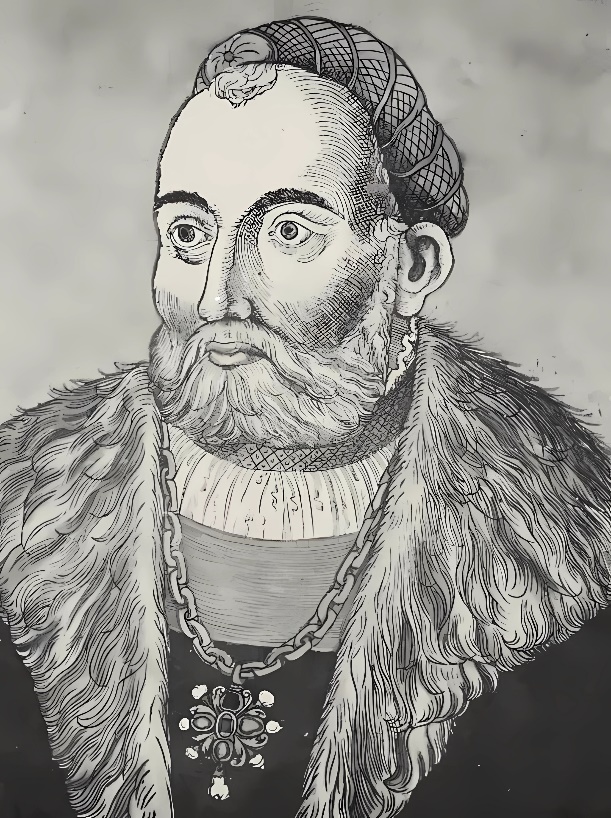
- Elfeledett királyaink: I. (Szapolyai) János – Varga Szabolcs ↗
- Mi a magyar a 3 részre szakadt Magyarországon? – B. Szabó János, Sudár Balázs, Varga Szabolcs ↗
📚 Olvass tovább! – Szakirodalmi ajánló
A Kingdom Divided: Civil War and Tripartite Division
The defeat suffered on the battlefield of Mohács in 1526 did not in itself mean the immediate collapse of the medieval Hungarian state. The true deepening of the catastrophe was brought about by the internal power struggles following the battle, the dual king election, and the pressure of global superpowers, which ultimately led to the tripartite division of the country.
The period following the death of Louis II was a drama of forced paths. The rivalry between Ferdinand I of Habsburg and John I Szapolyai plunged the remaining country into a civil war, which the Ottoman Empire brilliantly exploited for its own expansion. The culmination of this process was the capture of Buda by ruse in 1541, when the Sultan's Janissaries marched into the capital unarmed. Consequently, the territory of the Kingdom of Hungary was divided into three sections with entirely different legal statuses and structures: the Kingdom of Hungary ruled by the Habsburgs, the Ottoman Occupation zone, and the Principality of Transylvania, which reluctantly separated but preserved Hungarian culture and statehood. For centuries, Hungarian politics was forced to navigate between these three worlds to ensure the physical and cultural survival of the nation.
The Partition of the Kingdom of Hungary and the Period of Civil War (1527–1541). This geopolitical map depicts the tragic era following the Battle of Mohács, when the country fell into civil war due to the dual royal election of Ferdinand I of Habsburg and John I Szapolyai. The shading clearly illustrates the shifting domestic spheres of power prior to the Ottoman occupation of Buda in 1541.
💡 Historical Cheat Sheet: 5 Key Concepts
- Dual King Election (1526)
- Following the Battle of Mohács, one part of the Hungarian elite elected John Szapolyai, while the other elected Ferdinand of Habsburg, plunging the country into decades of civil war.
- Tripartite Division (1541)
- After the Ottoman capture of Buda, the country's core territory became the Ottoman Occupation zone, the West and North remained part of Royal Hungary, while the Principality of Transylvania emerged in the East.
- Ottoman Occupation (Hódoltság)
- The Hungarian territories directly annexed to the empire, divided into eyalets and sanjaks, where the population lived under the Sultan's taxation system.
- Principality of Transylvania
- A Hungarian state entity under Ottoman suzerainty but possessing internal autonomy, serving as a base for religious tolerance and cultural prosperity during the era.
- Politics of Forced Paths
- The maneuvering strategy of the contemporary Hungarian political elite, balancing between two world empires (Habsburg and Ottoman) to preserve state continuity.